
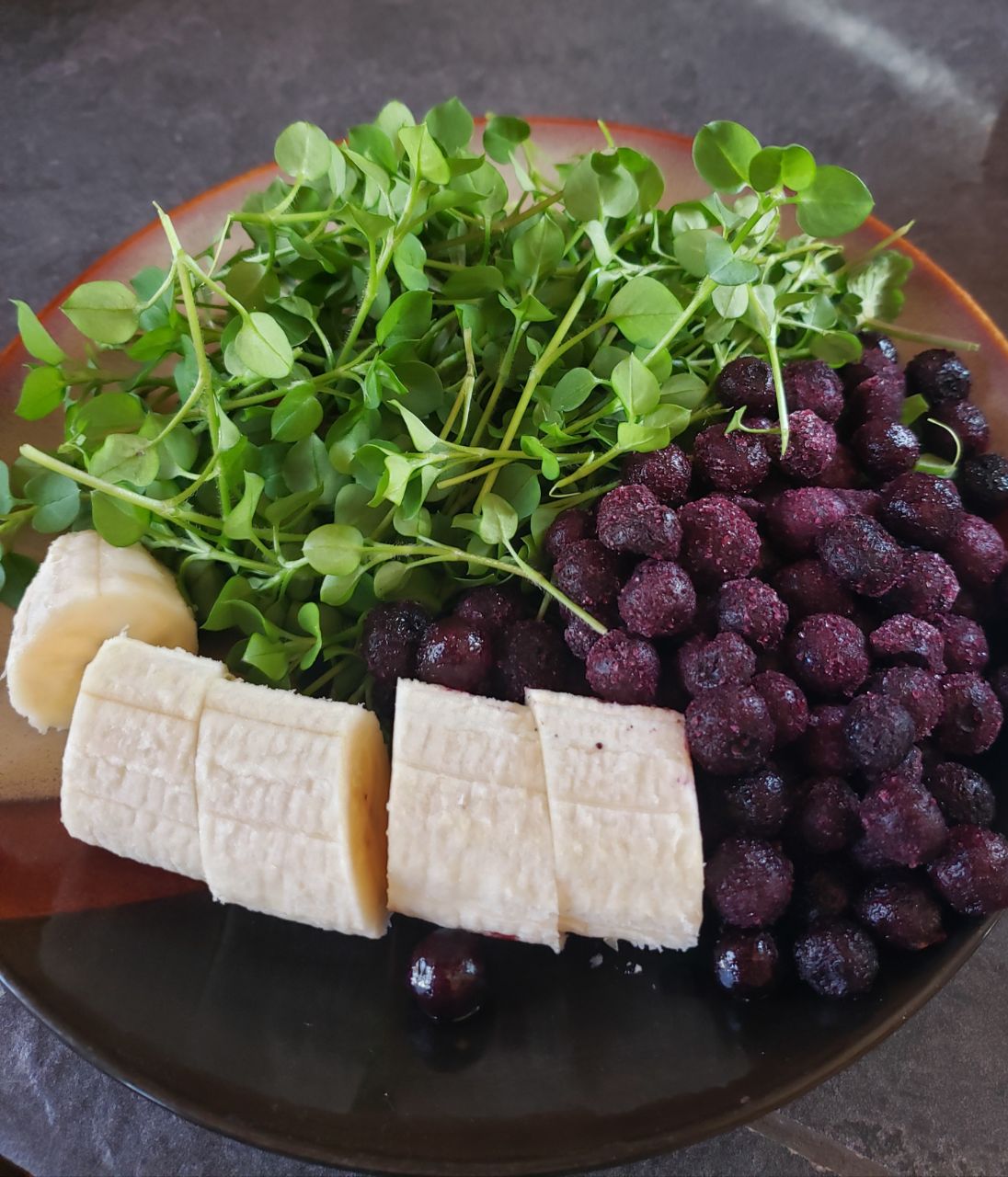
North Texas winters are generally mild, but it’s currently unseasonably warm for late February, even for this area. To be honest, I can’t say I’m upset about it! I always start to crave warm sunshine and wild greens near the end of winter, so I’m certainly taking advantage of it. Even during the colder parts of January and early February, I made time for occasional foraging, as well as processing and eating wild foods I collected and stored in the fall.
I finished leaching my haul of bur oak acorns, making storeable, dry acorn flour. I’ve also been making various prickly pear fruit concoctions for my daughter, who can’t get enough of any food or drink rendered bright pink by this incredibly antioxidant-rich wild fruit: prickly pear lemonade, popsicles, and gummy bears!

In early January before the temperatures dipped below 10 degrees for a few nights, I made sure to harvest all the prickly pears growing on some plants in my neighborhood, before they froze and became useless. I washed them all and stored them in ziplock bags in the freezer, and have been pulling out a small portion of fruits every now and then, making prickly pear juice concentrate to use as a base for the various pink concoctions mentioned previously.
I’ve been able to gather plenty of dandelion leaves and flowers throughout most of the winter, adding the leaves and flowers to salads, and making a dandelion flower infused lemon juice to use in homemade salad dressings. I also got some ripe soapberries from a tree in my neighborhood, and dried them for backup laundry soap.

Now that it truly feels like spring, my daughter and I are outside every day taking walks and gathering young wild greens. Wild green smoothies and salads are some of my favorite foods in the spring, and all this vibrant green energy really starts to wake up the body from its winter slumber!


I want to share a wild green smoothie recipe I came up with, which is so delicious and nourishing that I know I will be drinking these all spring! What I like about this recipe is it’s not overly sweet, and the flavor of the young spring greens really shines through. I would say it’s even “milky” tasting (without any milk), most likely from the high calcium content of the greens.
Wild Green Smoothie recipe
- 1 cup of pure water, herbal tea or nut milk
- 1/2 to 1 banana
- 1/2 cup blueberries
- 2 cups wild greens
- 2 Tbs pumpkin seed protein powder
Add everything to a blender and blend well. For the liquid base, I have been using an herbal tea made from nettle leaf and goldenrod. My favorite blueberries are the frozen ones labeled “wild” (available at many grocery stores). The pumpkin seed protein powder I use is the Sprout Living brand, and I like it because it’s minimally processed, basically just mostly defatted pumpkin seeds with no other ingredients. You can probably use other kinds of seed or pea-based protein powders instead, as long as they are mild flavored.
This is a simple recipe, but what’s going to be great about it is the variation in greens over the course of the spring. At first, all the greens are young and mild flavored, and as each green matures and moves in and out of season, the flavor of the smoothie is going to change slightly, along with the nutrient ratios. Currently, I’m using mostly chickweed and henbit, with a little bit of young cleavers and dandelion. I look forward to adding lambs quarters and violet when they’re in season!
My spring foraging class schedule is up!

If you or anyone you know is interested in learning about edible and medicinal wild plants hands-on, check out my spring foraging class schedule! You can read more and sign up here:
Upcoming Foraging Events – Spring 2024
The first class on March 30th is in Marietta, Oklahoma, which is near the Oklahoma/Texas border and the western end of Lake Texoma, just south of the Arbuckle mountain range. It will be held on the beautiful Firehawk Ranch, a 50-acre ranch and retreat center owned by a longtime family friend. This land is highly varied in ecological diversity, including prairie, hardwood forest and marshland, has a seasonal stream, and will give us a bountiful variety of wild edibles to observe, study and taste.
The second class on April 27th will be held in Southlake, Texas, at the Bob Jones Nature Center and Preserve. Conveniently located in central DFW, this is a good opportunity for Dallas and Fort Worth residents to learn about wild edibles on a diverse and well stewarded landscape. Many nature preserves have a spoken or unspoken “no foraging” rule, but this one is an exception, and our group has been happily welcomed by the nature center supervisor to engage in responsible and conscientious foraging, which my classes always emphasize no matter where we gather.
I have also scheduled a class for East Texas residents on May 11th, on a lush, ecologically diverse private property in Canton, Texas. This will be my third time teaching on this particular property, owned by a friend, and I will keep coming back because the number of wild species we find every time always amazes me! East Texas has a special place in my heart, as it contains some of the most exciting wild edibles native to Texas, so my treks out there are always so much fun.

Lastly, I will be teaching foraging every day at two, back-to-back outdoor gatherings in April. It’s going to be action packed!
The first is the Maidenfire Festival, a women and girls’ outdoor gathering on April 11th-15th in Glen Rose, Texas (southwest of DFW). The festival will include workshops, activities and crafts for young girls and wise women, song circles, yoga, dancing, foraging walks, a cacao ceremony, and much more. Learn more on the Maidenfire Festival website, and use my instructor code ‘courtney‘ for a $55 discount on your ticket.
Next up is the SkyEarth Outdoor Skills Gathering, which we look forward to every year! It runs from April 14th through the 20th, in Graham, Texas (about two hours west of DFW). This gathering strives to reconnect people with old ways of making fire, tanning hides, forming metal, weaving baskets, hunting, foraging/gathering and many more outdoor primitive, bushcraft, survival, and homesteading skills. This will be my third year teaching foraging on this gorgeous 80-acre land in the cross timbers ecoregion.
I hope to see some of you this spring, at one of my classes or the gatherings!
Leave a Reply